01
A PLANET WORTH PROTECTING
THE EARTH NEEDS ACTION.
Understand the challenges facing our planet, discover meaningful actions, and build a record of the impact you create.

OUR HOME
ONE PLANET. SHARED FUTURE.
01 / 04
SCROLL TO EXPLORE
01 — THE PLANET
UNDERSTANDING OUR HOME
ONE PLANET. ONE SHARED FUTURE.
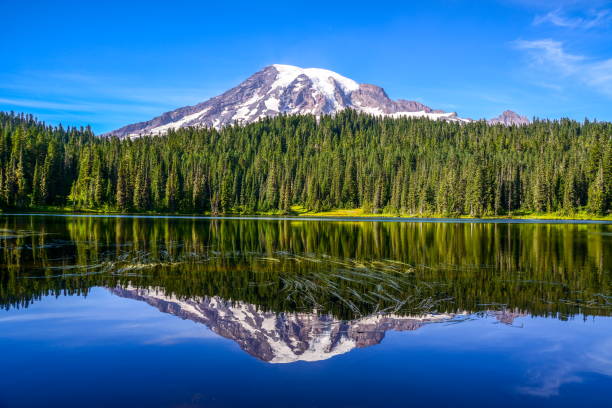
Earth is a complex system where oceans, forests, atmosphere, soil, wildlife and people are deeply connected.
Understanding those connections is the first step toward making better decisions for the planet.
THE PLANET
EARTH//ACTION
02 — ACTIONS
FROM AWARENESS TO ACTION
SMALL ACTIONS. REAL IMPACT.
Meaningful change starts with what we choose to do. Explore simple actions that can make a difference for the planet and your community.
02
03
WATER
SAVE WATER
Small changes in everyday habits can help protect one of Earth's most important resources.
EXPLORE →04
COMMUNITY
CLEAN YOUR COMMUNITY
Take care of the places around you and help create cleaner public spaces.
EXPLORE →05
BIODIVERSITY
PROTECT WILDLIFE
Learn how everyday choices can help protect species and their habitats.
EXPLORE →06
EVERYDAY LIFE
REDUCE FOOD WASTE
Make better use of the food we already have and waste less.
EXPLORE →
03 — BIODIVERSITY
LIFE ON EARTH
A WORLD FULL OF LIFE.
From forests and oceans to the smallest organisms, life on Earth is connected through ecosystems that support the planet and the people who depend on it.
FORESTS
Forest ecosystems provide habitat, store carbon and support countless forms of life.
OCEANS
Marine ecosystems connect communities, species and environments across the planet.
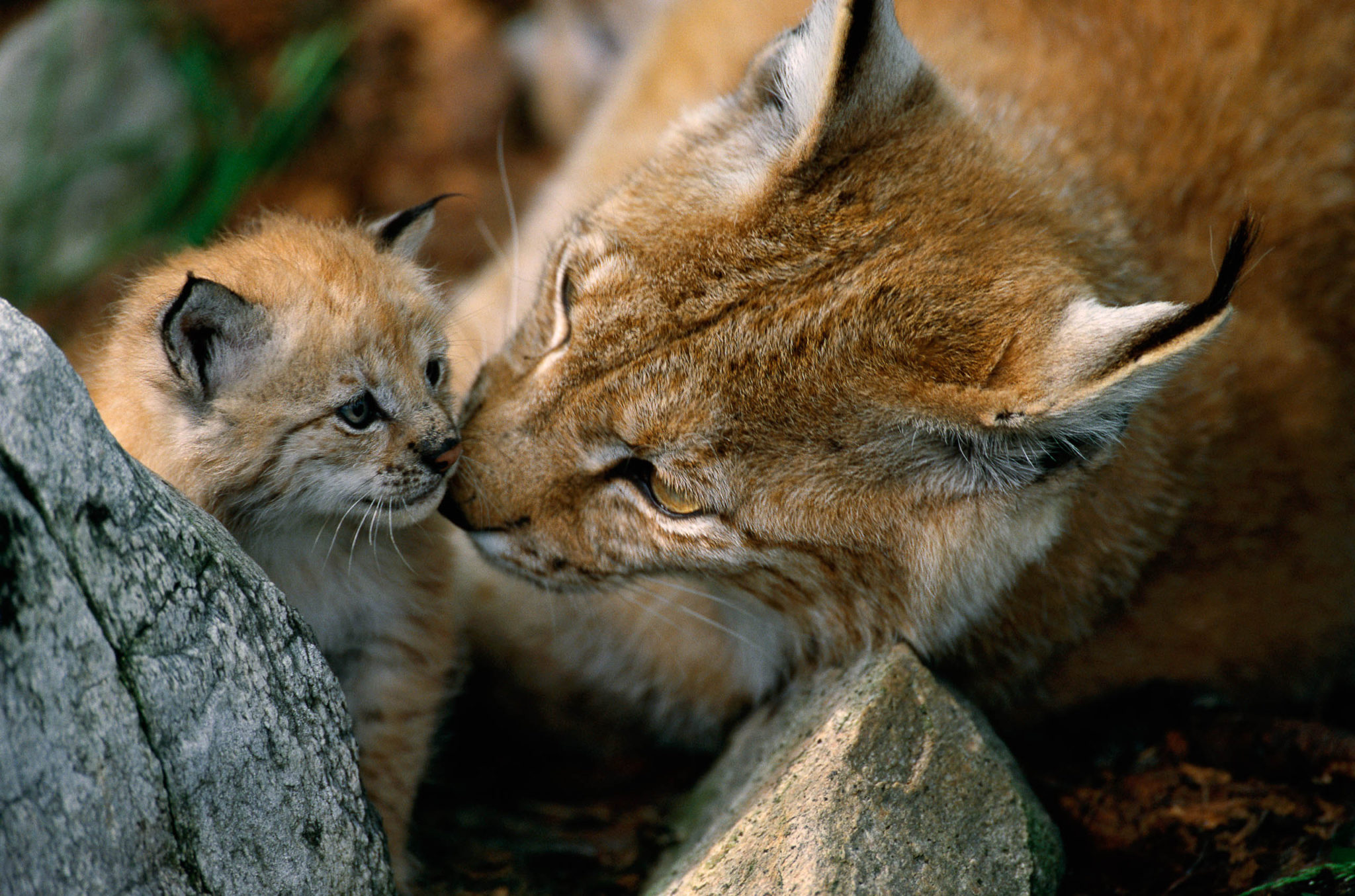
WILDLIFE
Every species plays a role within the ecosystems where it lives.
04 — THE BIG PICTURE
LOOK CLOSER
THE PLANET IS CONNECTED.
Climate, water, forests, oceans and biodiversity are not separate stories. They are parts of the same living system — and the choices we make can affect it.
CLIMATE
A CHANGING CLIMATE CHANGES LIVES.
Look beyond a single temperature or storm. Climate change can influence water, ecosystems, food systems and communities.
OCEANS
WHAT REACHES THE WATER DOES NOT DISAPPEAR.
Plastic, pollution and warming can place pressure on marine ecosystems that connect life across the planet.
BIODIVERSITY
EVERY SPECIES IS PART OF A LARGER STORY.
Protecting habitats helps preserve the relationships that allow ecosystems to function and recover.
05 — STORIES & MEDIA
SEE IT. UNDERSTAND IT.
REAL PLACES. REAL STORIES.
Images and videos can make environmental change easier to understand. Use the media below as a starting point for exploring the evidence.
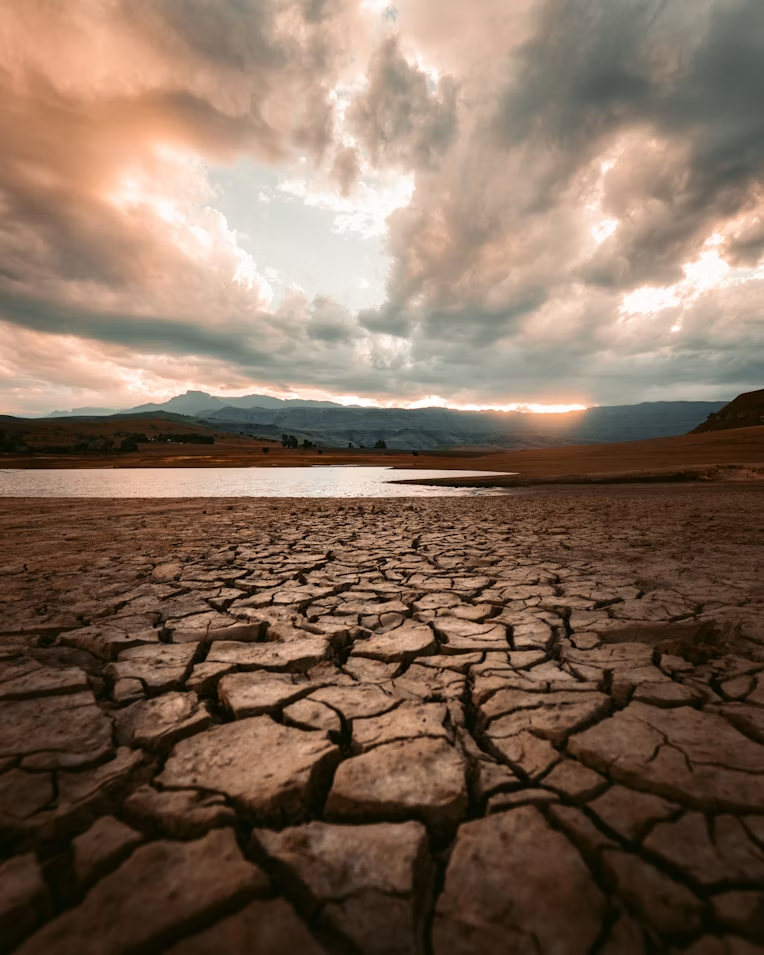
CLIMATE & WATER
WHEN A LANDSCAPE CHANGES, PEOPLE NOTICE.
Drought, heat and changing water availability can reshape landscapes and the communities that depend on them.
EXPLORE NASA MEDIA →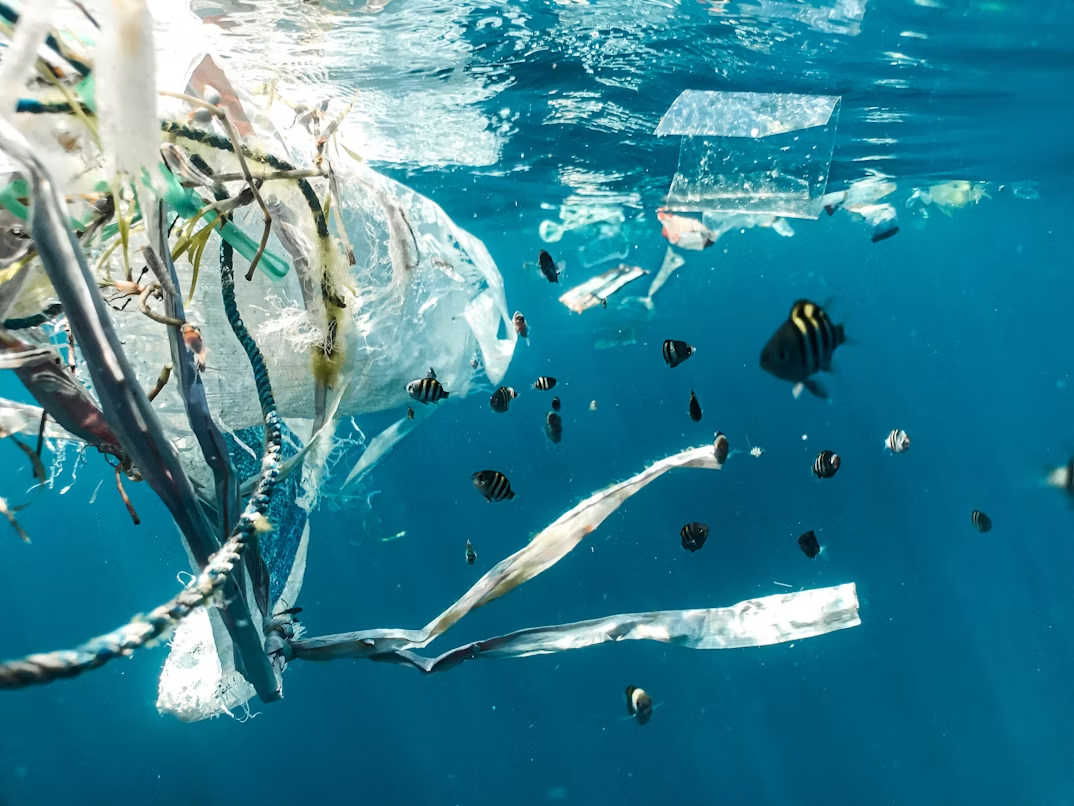
OCEANS
THE OCEAN CONNECTS US.
Explore ocean life, ecosystems and human pressures through NOAA's video collection.
WATCH NOAA VIDEOS →
BIODIVERSITY
PROTECTING LIFE MEANS PROTECTING CONNECTIONS.
Biodiversity is the web of life across forests, oceans, species and ecosystems.
WATCH UNEP STORY →
06 — MY IMPACT
YOUR CONTRIBUTION
YOUR ACTIONS. YOUR IMPACT.
Every action you record becomes part of your personal environmental journey.
CURRENT LEVEL
LEVEL 01
XP
000
0 XP
100 XP TO LEVEL 02
01
ACTIONS
000
02
IMPACT POINTS
000
03
CURRENT STREAK
0 DAYSMAKE YOUR NEXT MOVE
RECORD AN ACTION.
YOUR HISTORY
IMPACT JOURNAL
00
YOUR ACTION JOURNAL IS WAITING.
RECORD YOUR FIRST ACTION TO BEGIN.
07 — RECORD ACTION
DOCUMENT YOUR IMPACT
WHAT DID YOU DO?
Record an action you took for the planet. Your journey starts with one decision.
STEP 01
CHOOSE AN ACTION
STEP 02
ACTION DETAILS
READY?
SELECT AN ACTION TO BEGIN.
08 — SOURCES & FACTS
EVIDENCE MATTERS
REAL DATA.
REAL SOURCES.
EARTH//ACTION uses information from scientific and public institutions. Environmental facts should be traceable, understandable and easy to verify.
NASA reports unequivocal evidence that Earth is warming and identifies human activity as the principal cause of the current warming trend.
NASA Science →NASA reports that the ocean has absorbed much of the excess heat added to the Earth system.
NASA Evidence →UNEP describes biodiversity and ecosystem services as important to a sustainable future for people and the planet.
UNEP →FAO reports that food loss and waste affect food security, natural resources, ecosystems and greenhouse-gas emissions.
FAO →The U.S. EPA provides guidance on reducing waste, reuse, recycling, composting and responsible management of materials.
U.S. EPA →
SOURCE POLICY
Statistics and scientific claims should be checked against the linked source and its publication or update date before being presented as current global data.